Brent Council rubbish rules for Harlesden: permits & fines
If you live, work, or clear out property in Harlesden, the rules around rubbish can feel a bit fiddly at first. One wrong move with a skip, bulky waste, or left-out bags and you can end up dealing with delays, extra charges, or fines. This guide to Brent Council rubbish rules for Harlesden: permits & fines breaks it down in plain English, so you can decide what needs a permit, what does not, and how to avoid the kind of mistake that turns a simple tidy-up into a headache.
To be fair, most people are not trying to do anything wrong. They just want the loft cleared, the building waste gone, or an old sofa shifted without the whole thing becoming a compliance puzzle. Let's sort the practical bits out properly.
Table of Contents
- Why Brent Council rubbish rules for Harlesden: permits & fines Matters
- How Brent Council rubbish rules for Harlesden: permits & fines Works
- Key Benefits and Practical Advantages
- Who This Is For and When It Makes Sense
- Step-by-Step Guidance
- Expert Tips for Better Results
- Common Mistakes to Avoid
- Tools, Resources and Recommendations
- Law, Compliance, Standards, or Best Practice
- Options, Methods, or Comparison Table
- Case Study or Real-World Example
- Practical Checklist
- Conclusion
- Frequently Asked Questions
Why Brent Council rubbish rules for Harlesden: permits & fines Matters
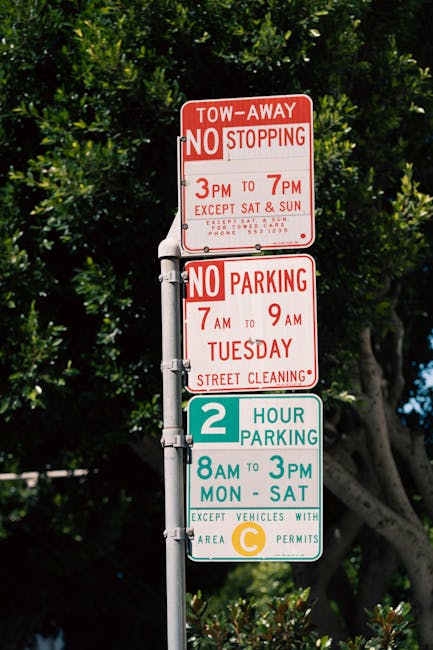
In Harlesden, rubbish control is not just a neatness issue. It affects pavement access, fly-tipping risk, neighbour relations, and whether your waste is handled lawfully. If you place a skip on the road, leave materials on the public highway, or use the wrong disposal route, a permit may be needed. Skip hire, builders' waste, and even large household clearances can all bring council rules into play.
Why does that matter so much? Because enforcement is usually less forgiving than people expect. A missed permit, overloaded skip, or abandoned pile of rubbish can attract attention quickly, especially in busy streets where access is tight and residents are already juggling parking, deliveries, and school runs. The sounds of bin trucks, cars edging past, and the general morning rush in North West London make it pretty obvious when waste is left where it should not be.
It also matters financially. A permit is usually cheaper than dealing with a penalty, a removal notice, or the cost of rebooking a waste collection. And in some cases, the bigger cost is not the fine itself but the time lost. A job that should have taken one day can easily stretch into three. Nobody wants that.
Expert summary: If your rubbish is staying on private land and is handled correctly, the process is usually straightforward. Once waste moves onto a road, pavement, or shared space, the rules become stricter and permit checks matter much more.
How Brent Council rubbish rules for Harlesden: permits & fines Works
The basic principle is simple: waste on private property is usually your responsibility, while waste on public land or affecting the highway may trigger council controls. The tricky bit is deciding where the boundary sits and what counts as an obstruction or unauthorised deposit.
Here is the practical version. If you are using a skip, a cage, a builder's bag, or any other container that sits on the road or footway, you may need a permit. If your waste is being collected from a driveway, yard, office premises, or garden without entering the public highway, a permit may not be needed. Still, you should always check the exact arrangement before the waste arrives. A lorry reversing half onto the kerb is enough to change the picture.
Fines and enforcement usually arise when one of the following happens:
- Waste is left on the pavement, verge, or road without permission
- A skip or container is placed without the required permit
- Waste spills out and creates a hazard
- Fly-tipping occurs, including bags or furniture dumped outside bins
- Waste is handled by someone who is not properly authorised
That last point is easy to miss. If you pay for rubbish removal, you still have a duty to make sure the waste goes to a lawful carrier. Cheap and cheerful can become expensive very quickly if the rubbish ends up in a layby somewhere. Not ideal. Not even close.
If you need help arranging lawful clearance for a home, flat, loft, or garage, it can be worth looking at services like waste removal support or more specific options such as home clearance and house clearance. These are often easier than trying to coordinate everything yourself, especially when you are under time pressure.
Key Benefits and Practical Advantages
Following the rules is not just about avoiding punishment. There are some real, practical advantages, and they show up fast.
- Fewer delays: If the permit or collection setup is correct, the job can go ahead smoothly.
- Lower risk of fines: A proper setup helps you avoid penalty notices and rework.
- Better neighbour relations: Nobody enjoys having a blocked pavement outside their front window.
- Safer streets: Well-managed waste is less likely to cause trips, obstruction, or damage.
- Cleaner handover: This matters in moves, refurbishments, rental changes, and commercial clear-outs.
There is also a reassurance factor. When you know the rubbish is being dealt with properly, the job stops hanging over you. That mental load matters more than people admit. In our experience, the relief after a tidy clearance is nearly as valuable as the physical space you reclaim.
If you are dealing with bulky furniture, you may also benefit from planning disposal carefully. The dedicated furniture disposal and furniture clearance pages can help you think through the kind of items that need extra handling.
Who This Is For and When It Makes Sense
This guidance is useful for a fairly wide group of people in Harlesden and nearby parts of Brent. If any of the following sounds familiar, you are in the right place.
- Homeowners clearing a loft, garage, or garden
- Landlords managing a tenant move-out or end-of-tenancy rubbish
- Tenants dealing with bulky items before leaving a flat
- Builders and tradespeople removing rubble, timber, or mixed construction waste
- Offices getting rid of desks, chairs, filing, and archive waste
- Families handling probate, downsizing, or a whole-house clearance
It also makes sense if you are simply unsure whether a quick skip on the street will cause trouble. Harlesden streets can be busy and, let's face it, parking is not always generous. So a permit question often crops up before the first bag is even loaded.
If your project is commercial, you may want to look at business waste removal or office clearance. If the waste comes from a renovation, builders waste clearance is the more sensible fit. Different waste streams bring different expectations. That part matters.
Step-by-Step Guidance
If you want to stay on the safe side, use this simple process before any rubbish leaves the property.
- Identify the type of waste. Household junk, furniture, rubble, garden cuttings, and office waste are not all handled the same way.
- Check where the waste will sit. Private driveway? Front garden? Public road? Shared forecourt? This changes the permit question.
- Decide whether a container is needed. A skip may be fine for some jobs, but a full clearance vehicle can be better for tight streets and mixed loads.
- Confirm access and loading space. If a van or lorry blocks traffic or pavement, plan accordingly.
- Ask about permits before delivery. Do not leave this until the day before. That is where stress starts.
- Separate restricted items early. Mattresses, electricals, paint, chemicals, and some construction materials can need special handling.
- Keep records. If you are a business or landlord, save paperwork and disposal details.
A small real-world example: someone clearing a flat in Harlesden might think, "I'll just put the old wardrobe on the street for a moment while I sort the rest." That moment can become an issue very quickly. Better to keep everything on site until the collection is ready, or use a service with a proper loading plan. Simple, but easy to forget when you are tired.
Expert Tips for Better Results
Here are the tips that save the most time, money, and awkwardness.
- Measure the waste before you book. Rough volume matters more than people think. A half-full bag can hide a full-day job.
- Use the right service for the job. A garden tidy-up is not the same as a post-refurbishment clearance.
- Avoid overflow. Overfilled skips and loose waste are much more likely to cause problems.
- Plan for parking. In a dense area like Harlesden, vehicle access can be the difference between quick and chaotic.
- Think about sorting. Reusable, recyclable, and general waste separated in advance usually makes the job easier.
- Ask about documentation. If you are clearing business waste, evidence of lawful disposal is more than a nice extra.
One small thing that helps a lot: take photos before you start. Not for social media, obviously. Just for your own record, especially if you are a landlord or managing agent. It can save a back-and-forth later.
If you care about disposal standards and reducing waste to landfill, the company's recycling and sustainability approach is worth reviewing alongside the clearance plan.
Common Mistakes to Avoid
Most fines and problems come from a handful of very ordinary mistakes. Nothing dramatic. Just small slips that snowball.
- Booking too late: Permits and timed collections need a buffer.
- Assuming private land is always safe: A driveway is not the same as a fully enclosed private yard.
- Ignoring mixed waste rules: Builders' rubble mixed with furniture and general junk can complicate disposal.
- Leaving waste outside "just for now": That phrase causes more trouble than almost anything else.
- Using an unlicensed carrier: If the waste disappears but there is no lawful disposal trail, you may still be exposed.
- Forgetting access constraints: Narrow streets, parked cars, and loading restrictions matter in real life.
And yes, it can be a bit annoying when the simplest-looking job turns into a permissions exercise. But that is the nature of urban waste management. Better a few minutes of checking now than a fine later.
Tools, Resources and Recommendations
You do not need a big toolkit for this, but a few practical tools make the whole process less messy.
- Measuring tape: Helpful for estimating skip size or vehicle access.
- Waste photo checklist: Useful for quoting and planning.
- Room-by-room notes: Especially handy for lofts, garages, and probate clearances.
- Separating sacks or boxes: Makes sorting recyclable and reusable items much easier.
- Quote comparison sheet: Keep service scope, access needs, and disposal type in one place.
For readers who are comparing different types of clean-outs, the service pages for flat clearance, garage clearance, loft clearance, and garden clearance can help you match the job to the right approach.
Practical recommendation? If your rubbish is bulky, mixed, or likely to require vehicle loading in a tight street, ask for a collection plan rather than trying to improvise on the day. Improvising is fine for a cupboard shelf. Less fine for a ton of waste and a van waiting outside.
Law, Compliance, Standards, or Best Practice
For rubbish and waste removal in Brent, the safest mindset is simple: keep waste contained, keep it legal, and keep a paper trail where appropriate. The exact permit requirement depends on the location and setup, but the general principles are consistent across London.
Best practice usually includes:
- Not obstructing pavements, roadways, or access routes
- Using properly authorised waste carriers
- Keeping hazardous or restricted items separate
- Making sure skip placement is approved before delivery
- Avoiding fly-tipping in any form, including "temporary" dumping
Businesses should be especially careful. Duty of care expectations in the UK mean you should be able to show that waste was handled responsibly. That does not need to be complicated, but it does need to be real. A missing invoice or vague arrangement can become a problem if someone asks hard questions later.
For company premises, the most relevant route is often business waste removal. For mixed commercial clear-outs, office clearance may be a better fit. If the waste is from renovation or construction, use a service set up for builders waste clearance.
Options, Methods, or Comparison Table
There is rarely one perfect way to deal with rubbish. The right method depends on where the waste is, how much there is, and whether permits are needed.
| Method | Best for | Permit risk | Main advantage | Main drawback |
|---|---|---|---|---|
| Skip on the road | Longer jobs with ongoing waste | Higher | Convenient for staged loading | May need a permit and parking space |
| Skip on private land | Driveways, yards, enclosed spaces | Lower | Usually simpler if access works | Needs enough space |
| Man-and-van clearance | Furniture, mixed household waste, flat clearances | Lower if loading stays private | Fast and flexible | May require sorting before collection |
| Specialist builders waste removal | Rubble, timber, renovation debris | Depends on access | Better suited to heavy or mixed materials | Some items need separate handling |
In practice, many Harlesden residents choose a direct clearance service because it avoids the headache of arranging road space. That is especially true in streets where every spare metre is spoken for by a resident parking permit and a delivery van. You know the sort of day.
Case Study or Real-World Example
A typical local scenario goes like this. A family in Harlesden is preparing to move out of a terrace property. They have an old sofa, a broken wardrobe, a stack of bags from the loft, and some leftover boxes from a child's room. At first, they think about putting a skip outside for a day or two.
Once they check access properly, though, they realise the road is narrow and parking is tight. A skip would likely need a permit and could make neighbours unhappy if it blocks visibility. Instead, they book a clearance service, keep everything inside until collection morning, and separate a few reusable items for donation or storage. The job gets done in one visit, the hallway is clear by lunchtime, and there is no scramble over permit timing.
That kind of outcome sounds simple because, frankly, it should be. The real win is not just avoiding a fine. It is avoiding the whole domino effect: delays, complaints, and a second booking because the first setup was awkward. Small decisions matter here.
Practical Checklist
Use this checklist before you book or place any waste outside.
- Have I confirmed whether the waste will sit on private or public land?
- Do I know whether a permit is needed for the container or collection vehicle?
- Is the waste type suitable for the chosen disposal method?
- Have I measured access, parking, and loading space?
- Are any items restricted, hazardous, or likely to need separate handling?
- Do I have a clear date and time for collection?
- Have I kept proof of booking, payment, or disposal details?
- If I am a business, do I have the records I may need later?
- Will the waste stay fully inside the property until collection?
- Have I checked sustainability and recycling preferences where relevant?
Ticking these off takes only a few minutes, and it can spare you a very annoying week. Honestly, the boring prep is usually the part that saves the day.
Get a free quote today and see how much you can save.
Conclusion
Brent Council rubbish rules for Harlesden: permits & fines are really about one thing: keeping waste in the right place, on the right terms, and out of trouble. If your rubbish is staying entirely on private land and is handled cleanly, things are often straightforward. If it touches the highway, pavement, or another shared space, you need to slow down and check the permit side carefully.
The good news is that most problems are preventable. Plan ahead, measure access, choose the right removal method, and keep waste contained until collection. That approach protects your budget, your neighbours, and your own time. And in a busy part of London, time is worth protecting.
When the job is done properly, the space feels lighter almost immediately. The room opens up, the noise drops, and you can finally see what you are working with. A small win, but a good one.
Frequently Asked Questions
Do I need a permit for a skip in Harlesden?
If the skip will sit on the road, pavement, or another public area, a permit is commonly required. If it stays wholly on private land, it may not be needed, but the exact setup matters. Check before delivery rather than assuming.
What counts as rubbish left on the highway?
Anything placed on a public road, pavement, verge, or shared access space can count as highway waste if it is not properly authorised. Even bags "just waiting to be moved" can cause issues if they are left out too long.
Can I be fined for fly-tipping if someone else dumped the waste?
Potentially yes, depending on the circumstances. If waste is traced back to you and there is no proper disposal record, you could face questions. That is why using a lawful waste carrier and keeping details is so important.
What is the safest option for a busy Harlesden street?
A collection that keeps waste on private property until the vehicle arrives is often the simplest choice. In tight streets, this can reduce permit headaches and keep access clear for neighbours and traffic.
Do business premises have different expectations?
Yes, they usually do in practice. Businesses should keep disposal records and use proper waste handling arrangements. That is where commercial services such as business waste removal can be a better fit than a one-off household solution.
What happens if a skip overfills?
An overfilled skip can create safety risks and may not be collected until it is made safe. Loose waste can fall out, which raises the chance of complaints or enforcement. Keep waste level and contained.
Are garden and DIY waste treated the same as household rubbish?
Not always. Garden cuttings, soil, rubble, timber, and mixed renovation waste can need different handling. It is better to separate these early so you do not end up with avoidable disposal problems.
How do I avoid fines when clearing a flat or house?
Keep the waste inside until collection, check access, confirm whether a permit is needed, and use a proper clearance route. Flat clearance and house clearance services are often easier than trying to stage everything on the street.
Is it better to hire a skip or book a clearance service?
It depends on space, waste type, and how long the job will take. Skips can suit ongoing work, but a direct clearance service often works better in tight residential streets or where you want less permit hassle.
What should I ask before booking waste removal?
Ask where the waste will be loaded, whether a permit may be needed, how different waste types are handled, and whether the company can accommodate access restrictions. A few clear questions at the start can save a lot of back-and-forth later.
Can furniture and bulky items be removed without leaving them on the pavement?
Yes, and that is usually the better option. Furniture clearance and furniture disposal services are designed to collect items from inside the property or from a controlled loading point, which keeps everything tidier and safer.
Where can I get help if I want a compliant clearance arranged properly?
You can review the service details, check the company information on the about page, and use the contact page to ask about your specific job. If you want to compare options, the pricing and quotes page is also a sensible place to start.