Office Clearance Harlesden: Recycling and Sustainability Commitment
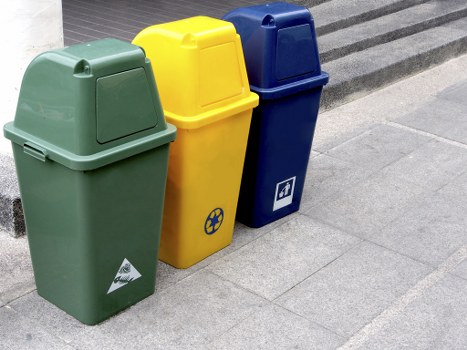 At Office Clearance Harlesden we place sustainability at the heart of every clearance. Our approach to an eco-friendly waste disposal area and a resilient sustainable rubbish area goes beyond simple collection: we design waste flows to reduce landfill, maximise reuse and drive a circular economy in Harlesden and the wider Brent borough. This page explains our targets, partnerships, local transfer station use, and low-carbon transport choices in plain terms.
We operate a clear recycling and recovery policy for Harlesden office clearance jobs, tailored to common commercial items: office furniture, IT equipment, stationery, mixed dry recyclables, and small electricals. The borough's approach to waste separation — kerbside-dry recycling, food waste segregation and residual waste streams — informs how we sort and process materials at the source, ensuring compliance and maximising diversion from landfill.
 Our corporate sustainability aim is ambitious: a recycling percentage target of 85% for recovered waste from each office clearance within 24 months of implementation. This target covers material reuse, donation, refurbishment and legitimate recycling; anything that cannot be diverted is managed via authorised facilities. The target is reviewed quarterly and published in our internal sustainability reports.
Local Transfer Stations and Responsible Processing
To keep the eco-friendly waste disposal area effective, we partner with nearby transfer stations and authorised Materials Recovery Facilities (MRFs) that serve Brent and neighbouring boroughs. Typical transfer options we use include local transfer stations in Willesden/Neasden and Park Royal that accept segregated office waste streams. Routing to these facilities shortens haul distances and lowers emissions compared with long-haul disposal.
 We consolidate waste into sorted loads — paper/card, plastics, metals, WEEE (Waste Electrical and Electronic Equipment), and furniture — before delivery to transfer sites. Each load is tracked with documentation so that material destiny is transparent: which items were reused, donated, recycled or responsibly processed. This chain-of-custody approach supports our compliance with London borough waste policies and helps clients reach their own sustainability goals.
In addition to transfer stations, we make use of licensed recycling centres and authorised depots that prioritise repair and salvage. Where refurbishment is an option, items are sent to specialist workshops that recondition furniture and appliances for resale or charitable use.
Charity Partnerships and Reuse Initiatives
 One of the most impactful elements of our sustainable rubbish area model is partnership with local charities and social enterprises. Items that are in good condition but surplus to requirements are offered to charities such as community groups and local shelters across Brent and North West London. Strong relationships with donation partners ensure furniture and working IT equipment find new homes instead of becoming waste.
Our charity programme revolves around key principles: rapid assessment on site, secure data wiping for donated electronics, and prioritised collection for eligible goods. We work with organisations focusing on:
- homelessness support and community furnishing
- skills and employment charities that refurbish items for resale
- educational initiatives that accept computers and desks for local schools
These partnerships not only increase our reuse rate but also deliver local social value, reducing the carbon footprint associated with manufacturing replacement items.
Low-Carbon Vans and Route Efficiency
 Our fleet strategy focuses on emissions reduction: a combination of electric vans, plug-in hybrids and Euro 6 low-emission vehicles are deployed for Harlesden office clearances. We continually update the fleet as technology advances and as local Clean Air Zone (CAZ) rules evolve. Low-carbon vans are used where urban access and short-distance trips are common, while larger, efficient vehicles serve consolidated loads to transfer stations.
Route optimisation software ensures fewer vehicle miles, reduced idling and efficient multi-stop pickups. By maximising vehicle fill rates and sequencing collections in the same postcode clusters — for example, several office clearances across Harlesden, Willesden and Kensal Rise on a single run — we cut fuel use and emissions while maintaining a reliable service.
We combine transport strategy with onsite best practices: proactive segregation into labelled containers, allocating extra time for careful sorting and minimising rehandling. This reduces contamination rates, increases the percentage recycled and strengthens overall sustainability outcomes.
Measuring Success and Continuous Improvement
Our sustainable rubbish area is governed by measurable KPIs: recycling rate per job, tonnes diverted from landfill, percentage of items donated or refurbished and average transport emissions per clearance. We report these metrics internally and use them to iterate processes. If a clearance falls below target, a corrective plan is applied — from additional onsite sorting to re-routing to specialist recyclers.
We also align our practices with Brent borough waste guidance and London-wide initiatives on separation and circular economy. By remaining adaptable to local schemes — for instance, changes in light-commercial waste policy or new kerbside rules — we keep the Harlesden office clearance offering compliant and progressive.
Choosing Office Clearance Harlesden means selecting a partner committed to an eco-friendly waste disposal area, a practical and community-focused sustainable rubbish area, high recycling percentage targets, partnerships with charities and low-carbon van operations. Together, we create cleaner offices and a healthier local environment.
