Church Road clearance tips for Harlesden homes
If you live near Church Road in Harlesden, clearance can look straightforward from the outside: a few bags, an old wardrobe, maybe a loft that has quietly turned into a storage archive. In reality, the best Church Road clearance tips for Harlesden homes usually come down to planning, access, sorting, and knowing what can be reused, recycled, or needs specialist handling. Whether you are clearing a flat, a terraced house, a garage, or a whole property, a calm, organised approach saves time, reduces stress, and helps avoid costly mistakes.
This guide walks through the practical side of home clearance in a busy London setting. You will find advice on timing, access, sorting, disposal options, compliance, and how to decide whether a DIY clear-out or a professional service makes more sense. If you want to compare related support options, you can also look at house clearance services in Harlesden, home clearance support, and local waste removal options as you plan your next step.
Table of Contents
- Why Church Road clearance tips for Harlesden homes Matters
- How Church Road clearance tips for Harlesden homes Works
- Key Benefits and Practical Advantages
- Who This Is For and When It Makes Sense
- Step-by-Step Guidance
- Expert Tips for Better Results
- Common Mistakes to Avoid
- Tools, Resources and Recommendations
- Law, Compliance, Standards, or Best Practice
- Options, Methods, or Comparison Table
- Case Study or Real-World Example
- Practical Checklist
- Conclusion
- Frequently Asked Questions
Why Church Road clearance tips for Harlesden homes Matters
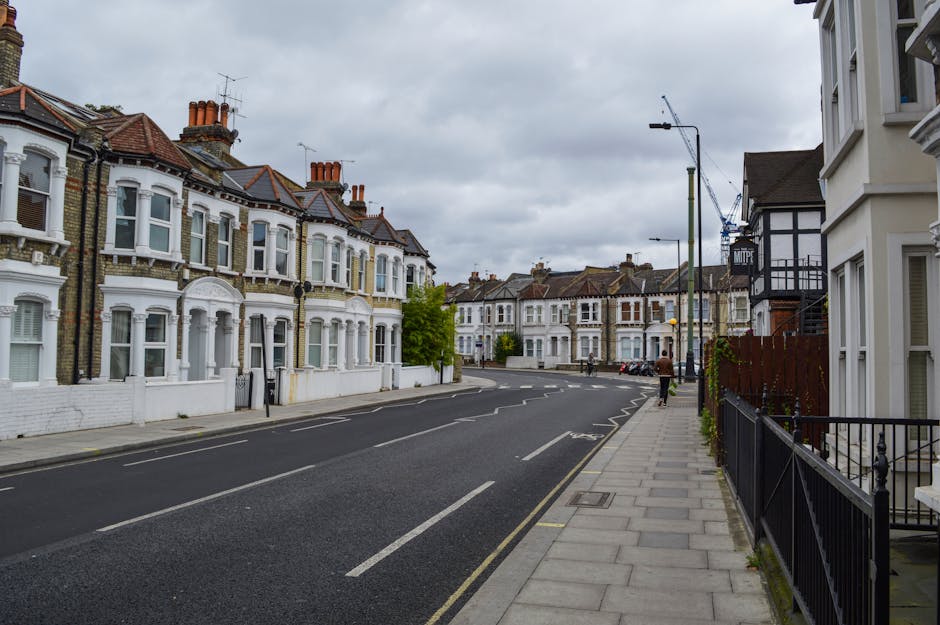
Church Road sits in an area where many homes are compact, access can be tight, and parking is rarely generous. That matters more than people expect. A clearance job is not just about removing items; it is about moving bulky things safely through shared hallways, narrow stairs, front gardens, or limited kerb space without upsetting neighbours or creating avoidable damage.
In Harlesden, the practical problems often start before the first item moves. Where will the vehicle stop? Can someone open a gate without blocking the pavement? Are there fragile fixtures, older stair rails, or communal areas to protect? These details can turn a two-hour job into a frustrating day if nobody has thought them through.
It also matters because the wrong disposal route can waste useful items or create compliance issues. A broken sofa or old mattress should not just be dumped because it feels easier in the moment. Reuse, donation, recycling, and licensed disposal each have a place. A good clearance plan helps you choose the right one at the right time.
Expert summary: the best clearance outcome usually comes from deciding early what stays, what goes, what can be resold, and what needs a specialist route. Everything else becomes simpler from there.
How Church Road clearance tips for Harlesden homes Works
Think of home clearance as a sequence rather than one big task. First, you assess the property. Then you sort items. After that, you remove, transport, and dispose of them in the correct way. That sounds simple, but each stage has small decisions that affect cost, speed, and safety.
For example, a flat clearance near Church Road may need careful item-by-item planning because bulky furniture has to pass through shared entrances. A loft clearance, on the other hand, may be more about safe lifting, dust control, and making sure fragile boxes are checked before anything is thrown away. A garage clearance often includes mixed waste, old tools, and occasional paint tins or fluids that need separate handling.
Professional services typically work by surveying the job, estimating the volume and type of waste, confirming access, and then arranging the clearance with an appropriate vehicle and team size. If you are comparing service pages, the most relevant options often include flat clearance, loft clearance, garage clearance, and furniture disposal.
For homeowners, the process works best when the decision-making is done before collection day. Once a team arrives, clarity saves a great deal of time. Ambiguity does not.
Key Benefits and Practical Advantages
A well-planned clearance is not only faster. It is also cleaner, safer, and usually more economical than a last-minute scramble. In a busy neighbourhood, that has real value.
- Less disruption: You reduce the risk of blocking entrances, hallways, or driveways for longer than needed.
- Better sorting: Reusable items can be separated from rubbish, which supports reuse and recycling.
- Lower stress: A structured plan means you are not making rushed decisions on the day.
- Cleaner finish: A good clearance should leave the space ready for cleaning, decorating, letting, or sale.
- Safer handling: Heavy or awkward items are moved with better control, reducing damage and injury risk.
There is also a financial angle. The clearer you are about what needs removing, the easier it is to get a realistic quote. If items are mixed together in one room, it becomes harder to estimate. If they are separated into obvious groups, pricing discussions tend to be more straightforward. If you want to understand service structure before booking, take a look at pricing and quotes and payment and security information.
One small but important advantage: a proper clearance often reveals hidden space you had stopped noticing. People find this oddly satisfying. A hall cupboard, a cellar corner, or a spare room suddenly stops acting like a dumping ground.
Who This Is For and When It Makes Sense
This kind of clearance guidance is useful for several people, not just anyone moving house. In Harlesden, it is especially relevant if you are:
- preparing a property for sale or letting
- clearing a rental at the end of a tenancy
- downsizing from a larger family home
- managing a bereavement clearance
- emptying a loft, garage, or garden store
- dealing with bulky furniture that no longer fits your layout
- renovating and removing non-hazardous builder debris
It also makes sense if the property has awkward access or shared parts that need protecting. Flats above ground floor level can be a classic example. So can older houses with steep stairs and limited landing space. You do not need a dramatic amount of waste for a clearance service to be worthwhile; sometimes the issue is simply that the items are too awkward, too heavy, or too numerous for one person to manage safely.
If you are unsure whether your project is more of a home clearance or something narrower, service pages like furniture clearance and home clearance can help you narrow the scope before you commit.
Step-by-Step Guidance
Here is a practical way to approach clearance on or around Church Road without overcomplicating it.
- Walk the property first. Note every room, access point, and obvious obstacle. Stair width, narrow doors, and parking restrictions matter more than people think.
- Sort items into clear groups. Keep, donate, sell, recycle, and remove. If you are hesitating on an item, move it to a "decide later" pile rather than delaying the whole job.
- Check for personal documents and valuables. Old drawers and storage boxes often contain things you meant to deal with years ago.
- Separate specialist items early. Paint, chemicals, batteries, gas canisters, and similar items should not be thrown in with ordinary household waste.
- Measure bulky items. Large wardrobes, sofas, and mattresses can be difficult to move through hallways or down stairs.
- Decide what should be reused. Good furniture or appliances may be suitable for a second life if they are clean and functional.
- Book the right level of help. A single room, a loft, or a full house will each need a different approach.
- Prepare access on the day. Clear paths, unlock gates, and protect floors if needed.
- Confirm disposal arrangements. Make sure items are being handled through appropriate channels, especially for mixed waste.
- Do a final check. Walk through each space before you call the job finished. It is amazing how often one small item hides behind a door or under a shelf.
If you are clearing after refurbishment rather than general decluttering, it can be useful to compare the process with builders waste clearance. The logic is similar, but the waste mix is different and often heavier.
Expert Tips for Better Results
Good clearance work is often won through small details. These are the points that tend to make the biggest difference in practice.
1. Start with the hardest item, not the easiest
People often begin by bagging light clutter because it feels satisfying. Fair enough. But the awkward chest of drawers, broken sofa, or box of mixed debris usually dictates the real schedule. Deal with that item first and the rest of the job becomes more predictable.
2. Use room-by-room decision making
Trying to clear the whole house at once can be mentally exhausting. A bedroom, then the landing, then the loft is a calmer sequence. It also makes it easier to track what has already been sorted.
3. Protect access points before moving anything
Door frames, corners, and stair edges take the brunt of a clearance if you do not prepare them. A little protection at the start can save a lot of regret later.
4. Keep a separate pile for items with resale potential
Some items are not waste at all. Good furniture, intact storage units, and certain home fixtures may have value. If you are dealing with wooden cabinets or sofas, the distinction between furniture clearance and disposal matters because not everything needs to end up in the same stream.
5. Ask about recycling routes
Responsible clearance should not stop at "taken away." It should also consider where material goes next. A reputable provider should be able to explain their recycling and sustainability approach in plain English.
6. Photograph the space before and after
This is useful for your own records, especially if you are a landlord or managing a tenant move-out. It also helps if there is any later question about what was removed.
Common Mistakes to Avoid
A lot of clearance headaches come from avoidable assumptions. The most common ones are easy to recognise once you have seen them a few times.
- Leaving sorting until the day of clearance: That is how you lose time and accidentally bin useful items.
- Ignoring access issues: A van can only help if it can actually reach the property in a sensible way.
- Mixing ordinary waste with specialist items: This can create safety and compliance problems.
- Underestimating hidden storage: Loft corners, under-bed spaces, and cupboard tops always contain more than expected.
- Forgetting to check communal areas: Shared hallways, bike stores, and cupboards can be overlooked in flats.
- Trying to lift heavy items alone: Back injuries are not a badge of honour. They are just a nuisance.
Another common mistake is assuming every clearance company handles the same kind of material in the same way. They do not. If your job includes mixed items, old fixtures, or waste from renovation, ask specific questions before booking. The best services are happy to answer them.
Tools, Resources and Recommendations
You do not need a van-load of equipment to prepare well. A few simple tools make the work smoother and safer.
- strong bin bags and rubble sacks
- labels or marker pens for sorting piles
- gloves with a proper grip
- tape for securing drawers and cupboard doors
- basic floor protection for tight routes
- torch for lofts, cellars, or darker storage areas
- measuring tape for large furniture
For service planning, the most useful resources are usually not fancy. They are the pages that explain what a company takes, how it handles safety, and what happens after collection. If you are comparing providers, the following can be especially helpful: insurance and safety information, health and safety policy details, and about the company.
If access or booking is still unclear, a direct conversation is often better than a long email chain. A quick site call can resolve things that a form never quite captures, especially for older properties with unusual layouts.
Law, Compliance, Standards, or Best Practice
For clearance work in the UK, the main rule of thumb is simple: waste should be handled responsibly and passed to appropriate, licensed channels. You do not need to become an expert in waste law to make sensible decisions, but you should avoid casual dumping or handing items to anyone who cannot explain where they go.
In practical terms, best practice includes:
- checking that a provider is set up to deal with the type of waste involved
- separating hazardous or specialist items from general household waste
- making sure items are not left in a way that blocks access, pavements, or communal routes
- keeping records or photos where there is a tenancy, probate, or property handover involved
- using a provider that can explain its safety and disposal approach clearly
If your clearance involves electrical items, paint, chemicals, sharp materials, or renovation waste, ask how those are managed. A reliable company should not sound vague at this point. It should sound careful. For extra reassurance, review health and safety policy guidance and insurance and safety information before you book.
Best practice is not about being perfect. It is about being thoughtful enough to avoid problems later. That is a very manageable standard.
Options, Methods, or Comparison Table
Different clearance jobs suit different methods. Here is a simple comparison to help you decide what fits your Harlesden property.
| Method | Best for | Pros | Watch-outs |
|---|---|---|---|
| DIY clearance | Small loads, light clutter, simple access | Can feel cheaper upfront; full control over timing | Time-consuming, physically demanding, disposal responsibilities stay with you |
| Partial professional clearance | Bulky items, lofts, garages, one or two rooms | Less lifting, quicker turnaround, useful for awkward items | Requires clear instructions and good sorting |
| Full house clearance | Moves, probate, tenancy turnover, major downsizing | Most efficient for larger or more complex jobs | Needs careful planning and access coordination |
| Specialist disposal route | Furniture, mixed waste, renovation debris, specific item streams | Better handling of item types and disposal pathways | May require separating materials before collection |
If your main issue is old sofas, tables, cabinets, or bedroom sets, a dedicated route like furniture disposal may be the neatest option. If the property is more broadly cluttered, a wider home clearance approach is usually more efficient.
Case Study or Real-World Example
Consider a typical Harlesden terrace with a first-floor flat and a narrow internal staircase. The homeowner needs to clear a spare room, a landing cupboard, and an old sofa from the lounge. On paper, that sounds like a modest job. In practice, the sofa is too bulky to turn easily on the stairs, the cupboard contains a mix of papers and old electrical items, and parking outside is limited in the afternoon.
The best outcome in that kind of job usually comes from breaking the work into stages. First, the homeowner sorts the paperwork and keeps anything personal aside. Next, the smaller loose items are boxed and labelled. The sofa is measured and checked against the route out of the property. Then access is prepared, floor protection is laid if needed, and the bulky item is moved carefully by people who know how to handle awkward corners.
The result is not only that the space is emptied. It is also that the homeowner avoids damage to the stairwell, does not spend hours trying to coax a sofa through a tight landing, and finishes with a room ready for decorating or storage conversion.
That is the real value of sensible clearance planning. It turns a vague, stressful job into a controlled one.
Practical Checklist
Use this checklist before clearance day. It is simple, but it catches the details that often trip people up.
- Have I decided what stays and what goes?
- Have I checked every room, cupboard, loft area, and storage space?
- Are any documents, valuables, or sentimental items set aside?
- Have I separated hazardous or specialist items?
- Do I know whether any furniture can be reused or donated?
- Is access clear for moving items out safely?
- Have I measured any large pieces that might be awkward?
- Is parking or vehicle access likely to be an issue?
- Do I have floor or wall protection if needed?
- Have I confirmed the disposal route and service details?
Quick reminder: the more you prepare before collection day, the smoother the whole process feels. That is not a slogan; it is just how these jobs tend to work in real life.
Conclusion
Clearance around Church Road in Harlesden works best when you treat it as a planning exercise, not a last-minute lift-and-carry task. Good sorting, clear access, realistic expectations, and the right service choice make the difference between a stressful day and a tidy result.
If you are clearing a home for a move, a tenancy change, a refurbishment, or simply to reclaim space, start with the basics: identify what needs to go, decide what can be reused, and choose a disposal route that fits the items involved. That simple process solves most of the common problems before they start.
And if you want to keep the whole thing straightforward, compare the relevant service options early, confirm how waste will be handled, and ask questions before booking. A little clarity now usually saves a lot of hassle later.
Get a free quote today and see how much you can save.
Frequently Asked Questions
What should I sort out before a home clearance in Harlesden?
Separate items into keep, donate, sell, recycle, and remove. Also check for documents, valuables, batteries, paint, and anything fragile or sentimental before the clearance starts.
How do I know if I need a full house clearance or just a partial service?
If one room, a loft, or a garage is the main issue, a partial clearance may be enough. If most of the property needs emptying, a full house clearance is usually more efficient.
Can bulky furniture be removed from narrow Church Road properties?
Usually yes, but access needs to be checked first. Stair turns, door widths, and parking all affect how items are moved safely.
What happens to items that can still be used?
Reusable items may be set aside for resale, donation, or recycling depending on condition and the provider's process. It is worth asking about this in advance.
Is it better to clear a property myself or hire help?
For small, light loads, DIY can work. For heavy furniture, awkward access, time-sensitive jobs, or mixed waste, professional help is usually easier and safer.
How far in advance should I book clearance?
As early as you can, especially if the property has limited access or you need a specific date. Even a short lead time helps with planning and vehicle scheduling.
What kinds of items need special attention?
Paint, chemicals, batteries, sharp objects, electricals, and certain renovation waste should be separated. Ask how those items are handled before booking.
Will a clearance team protect my floors and walls?
Good teams often take care around floors, corners, and door frames, but it is sensible to confirm what protection is included if your property is particularly tight or delicate.
How can I keep clearance costs sensible?
Sort items in advance, separate obvious reuse items, and give a clear description of the job. The more precise the information, the easier it is to quote accurately.
What is the best option for clearing a loft or garage?
Lofts and garages usually benefit from a focused service because they often contain mixed, dusty, or awkward items. A dedicated loft clearance or garage clearance approach is often the most practical.
Are there any safety issues I should worry about during clearance?
Yes. Heavy lifting, hidden sharp edges, unstable stacks, and dusty storage spaces can all create risk. Wear proper gloves, keep pathways clear, and do not force oversized items through tight spaces.
Who should I contact if I want to discuss a specific clearance job?
If you need guidance on a particular property or set of items, use the company's contact page and explain the access, item types, and timing. A clear description usually gets you a more useful answer.