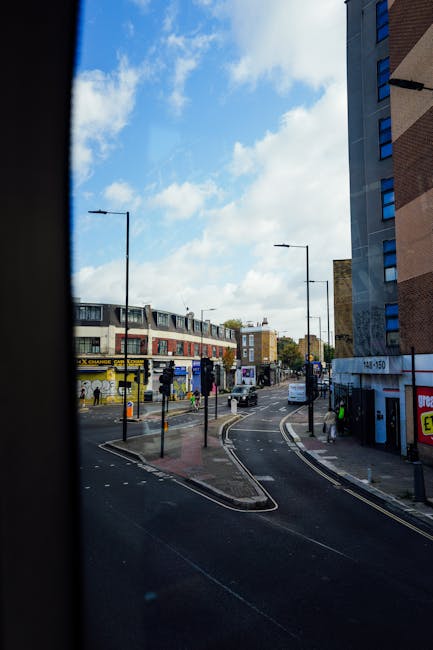
Harlesden Rubbish Removal Guide for Willesden Junction Area
If you live, work, or are clearing a property near Willesden Junction, rubbish removal can become one of those jobs that looks simple until you actually start. Bags pile up, broken furniture takes over the hallway, and builder's waste somehow seems to multiply overnight. This Harlesden rubbish removal guide for Willesden Junction area breaks the process down in plain English so you can deal with waste safely, sensibly, and without wasting a Saturday. Whether you need a quick flat clearance, a full house clearance, or help with bulky items that will not fit in a car, the right approach makes all the difference.
In practice, good rubbish removal is about more than "getting rid of stuff." It is about choosing the right method, avoiding fly-tipping risks, understanding what can and cannot be removed, and making sure the job is handled in a way that is efficient and responsible. Let's get into it.
Why Harlesden rubbish removal guide for Willesden Junction area Matters
Harlesden and Willesden Junction sit in a busy part of northwest London, which means rubbish removal is rarely just a matter of "leave it outside." Streets are active, parking is tight, properties are often a mix of flats, terraces, workshops, and small businesses, and access can be awkward at the best of times. A planned rubbish removal guide matters because the wrong approach can cause delays, extra costs, complaints from neighbours, or simple physical chaos. Anyone who has tried carrying a sofa down a narrow stairwell on a damp Tuesday evening will know what I mean.
It also matters because waste has to be handled properly. Not everything should go in a wheelie bin or be left for the next collection. In the Willesden Junction area, people often deal with a mix of domestic rubbish, garden waste, office junk, renovation debris, and furniture disposal. Each type has a different best practice. Some can be sorted for reuse or recycling, some need careful separation, and some should only be moved by a licensed waste carrier.
There is a practical side too. The more clearly you understand the process, the easier it is to choose between a one-off clearance, a recurring service, or a targeted job like flat clearance, house clearance, or business waste removal. That clarity saves time, and frankly, it saves energy.
Expert summary: In busy London neighbourhoods, rubbish removal works best when the waste is identified first, access is checked early, and recycling or reuse is considered before disposal. That simple sequence avoids most headaches.
How Harlesden rubbish removal guide for Willesden Junction area Works
At a basic level, rubbish removal follows a simple flow: identify the waste, decide how much there is, check access, choose a removal method, and arrange collection or disposal. The difference between a smooth job and a stressful one is usually in the detail.
For domestic clearances, the process often starts with a room-by-room look at what has to go. In a flat near the station, that might mean old wardrobes, mattresses, mixed bags, and a few heavy bits that have been sitting there for too long. In a garden, it may be soil, branches, broken fencing, or a shed's worth of random "I might need that later" items. For business premises, it may include office furniture, packaging, archive waste, or worn-out fixtures. If the job is specifically furniture-heavy, a dedicated furniture clearance or furniture disposal service can be much more efficient than a general clear-out.
The next step is logistics. Can a truck reach the property? Is there space to load safely? Are there stairs, a basement, a lift, or a long walk from the kerb? These details matter more than people expect. A waste removal team can often work around them, but only if they know in advance. That is where a proper plan saves the day.
Then comes sorting. Good rubbish removal is not just "load and leave." Reusable items may be set aside. Recyclable materials may be separated. Builders' waste may be handled differently from household clutter. Green waste can be treated differently again, which is why services like garden clearance and builders waste clearance exist for a reason.
Finally, the waste is taken away and processed in line with proper disposal and recycling practices. A reputable provider should be able to explain what happens next, at least in broad terms, and should not be vague about their approach. If they are, that is a small red flag. Not a giant one, but still a red flag.
Key Benefits and Practical Advantages
People usually look for rubbish removal because they want space back. Fair enough. But the real benefits go a bit deeper than that.
- Less stress: You are not stuck making endless trips to a disposal site or guessing what can fit in a family car.
- Safer handling: Heavy, sharp, dusty, or awkward items can be moved more safely by people used to doing the job.
- Faster turnaround: A well-organised clearance can often clear a lot in one visit, which is handy when you are on a deadline.
- Better recycling potential: Sorting waste properly improves the chance that useful materials are reused or recycled.
- Cleaner property presentation: This matters if you are selling, renting, or just trying to get your home back under control.
There is also the commercial side. For landlords, local businesses, estate managers, or tradespeople, reliable waste removal helps maintain standards and avoids a site looking neglected. If your job relates to an office, a shop, or a shared workspace, office clearance can be the right match.
Another advantage is time management. A lot of people in Harlesden and around Willesden Junction are juggling work, family, travel, and property responsibilities. Outsourcing the heavy lifting can be the difference between a job that happens this week and a job that drags on for a month. Truth be told, clutter has a funny way of becoming background noise until it suddenly isn't.
Who This Is For and When It Makes Sense
This guide is useful for a wide range of people. If you are a tenant moving out of a flat, a homeowner doing a reset, a landlord between lets, or a business clearing out stored junk, the same basic principles apply. The scale changes, but the logic stays the same.
It makes sense to arrange rubbish removal when:
- you have bulky items too large for normal bin collection
- you are dealing with mixed waste after decorating or refurbishing
- you need a property cleared before sale, letting, or handover
- you are clearing out a loft, garage, cellar, shed, or storage room
- you want to avoid repeated trips and manual lifting
- you need waste removed quickly because of a move, inspection, or deadline
People often underestimate how much waste comes from one project. A "small" bedroom clear-out can turn into bags, broken shelving, old bedding, a lamp, a wardrobe, and half a dozen items you forgot were even there. In a larger home or rental property, the volume can be significant. If the clutter is spread through several rooms, a broader home clearance or loft clearance may be the most efficient option.
There is no rule that says you must wait until everything becomes unmanageable. In fact, earlier action usually means lower stress, easier access, and fewer surprises. That is especially true in flats and converted buildings where stairs are tight and timing matters.
Step-by-Step Guidance
Here is a practical way to handle rubbish removal in the Harlesden and Willesden Junction area without overcomplicating it.
- Walk through the space. Decide what definitely needs to go, what might be reusable, and what should stay. Be honest here. That old chair you've "meant to fix" for two years? Probably out.
- Separate the main waste types. Keep furniture, general rubbish, garden material, and builders' waste apart where possible. This helps with loading and sorting.
- Check access. Measure doorways if needed, note stairs, parking restrictions, lift access, and any awkward corners. Small detail, big difference.
- Estimate volume. Think in terms of bags, items, or room sections rather than guessing wildly. A quick list is often more useful than a vague photo.
- Choose the right removal route. A single bulky item does not need the same approach as a whole flat clearance. Pick the service that fits the job.
- Confirm what can be taken. Most general waste can be removed, but certain materials may need special handling. Ask before collection day.
- Prepare the items. Put smaller items into manageable bags or boxes, and make sure clear paths are available. It speeds everything up.
- Follow up on reuse and recycling. If any items are in decent condition, ask whether they can be diverted from disposal.
If the work involves post-renovation debris, plasterboard, timber, tiles, or packaging, the job may fall closer to builders waste clearance than a standard rubbish collection. That distinction matters, especially where loading and disposal methods are concerned.
One small but useful tip: do not leave everything until the final hour. Even thirty minutes of sorting before a collection can make the whole process calmer. Sometimes boring advice is the best advice.
Expert Tips for Better Results
A few good habits make rubbish removal noticeably easier in this part of London.
- Photograph the waste before booking. Not because anyone needs a gallery of old mattresses, but because photos help with planning and reduce misunderstandings.
- Put aside anything that might contain personal data. Paper files, old bank letters, and device packaging should be checked before disposal. Businesses should be especially careful.
- Keep walkways clear. It is safer and faster if items are not scattered across every corridor.
- Think about timing. Midweek mornings can sometimes be easier for access and parking than busy weekend slots, depending on the street.
- Be clear about fragile or awkward items. Mirrors, glass, heavy wardrobes, and dismantled beds may need special handling.
If you are clearing a garage, a service such as garage clearance can save a lot of back-and-forth. Garages have a habit of becoming storage black holes. You open the door and immediately spot a paint tin, a pram, two broken stools, and something unidentified under a tarp. Classic.
Another useful habit is to ask whether recycling and responsible disposal are built into the service. A provider with a clear commitment to recycling and sustainability is usually thinking beyond the quick win, and that is a good sign.
Common Mistakes to Avoid
Most rubbish removal problems are avoidable. The same mistakes come up again and again.
- Underestimating the volume: It is easy to misjudge how much waste you have, especially when items are spread through several rooms.
- Mixing everything together: This can make sorting slower and may reduce recycling opportunities.
- Ignoring access issues: A collection plan that ignores parking, stairs, or narrow entrances usually causes delays.
- Forgetting about heavy items: Sofas, wardrobes, white goods, and old desks can require two people and proper lifting technique.
- Leaving it until the last minute: That tends to create panic, and panic is rarely a great organiser.
- Choosing the wrong service: A general collection may not be the best choice for a specialist job like an office, garden, or full property clearance.
There is also a trust issue. If someone cannot explain how waste will be managed, how loading works, or what happens to reusable items, take a step back. You do not need a sales pitch; you need a clear, calm explanation.
Tools, Resources and Recommendations
You do not need a van full of gadgets to manage rubbish removal well. Still, a few simple tools make the process smoother.
- Heavy-duty bags and boxes: Better for smaller waste and loose items.
- Gloves: Handy for broken materials, dusty lofts, and old garden waste.
- Basic measuring tape: Useful for wardrobes, fridges, or anything that needs checking before collection.
- Markers or labels: Good for separating keep, donate, recycle, and remove piles.
- Phone camera: A quick set of photos can help you explain the job clearly.
For property-related clearances, the most useful "resource" is often a service that matches the exact job. A flat clearance is not the same as a full house clearance. Business waste is not the same as domestic clutter. And if you only have a sofa, a mattress, or a few items of old furniture, a more focused approach may be more practical than a full-scale removal. In those cases, flat clearance and furniture disposal can be especially useful.
For people comparing options, it also helps to look at how quotes are structured. You may find it useful to review pricing and quotes so you know what information is normally needed. Clear pricing discussions usually lead to fewer surprises later. Nice and simple.
Law, Compliance, Standards, or Best Practice
Waste handling in the UK is not something to treat casually. You do not need to become a compliance expert, but you should know the basics. The safest general rule is to use a properly run waste carrier, avoid fly-tipping risk, and make sure waste is transferred responsibly. If you are a business, the bar is even higher because you have a duty to manage commercial waste correctly.
Best practice usually includes:
- sorting waste where possible to improve reuse and recycling
- keeping hazardous or specialist items separate from general rubbish
- making sure waste is collected and handled by a reputable operator
- keeping records where a business needs them for internal compliance
- staying cautious with electrical items, sharp materials, and anything containing liquids or chemicals
If a project involves renovation debris, you should be especially careful. Materials from building work may need different handling than normal household rubbish. This is why a dedicated builders waste clearance route can be the more sensible option. For business settings, a controlled approach through business waste removal is usually the cleaner choice.
It is also worth paying attention to a provider's operational standards. Pages such as health and safety policy, insurance and safety, and terms and conditions can tell you a lot about how seriously a company approaches the job. No fluff there, just good practice.
Options, Methods, or Comparison Table
If you are deciding how to clear waste near Willesden Junction, the best method depends on the type and amount of rubbish, plus how quickly you need it gone. Here is a straightforward comparison.
| Method | Best for | Strengths | Watch-outs |
|---|---|---|---|
| Self-loading and DIY trips | Very small amounts of waste | Complete control, simple for light items | Time-consuming, physically tiring, tricky without a suitable vehicle |
| General rubbish removal | Mixed household waste, clutter, bulky items | Flexible, efficient, suitable for many everyday jobs | May not suit specialist waste streams |
| Furniture-focused clearance | Sofas, beds, wardrobes, tables | Good for bulky items, faster than piecemeal disposal | Need to check access and dismantling needs |
| Property clearance | Full flats, houses, garages, lofts, offices | Useful for larger or time-sensitive projects | Requires better planning and clearer scope |
| Specialist builders' clearance | Renovation and construction waste | Handles heavier, messier, more specific waste streams | Needs accurate description of materials |
For many local households, the sweet spot is a mixed approach: sort what you can, then bring in a service for the heavy or awkward load. That is often the least stressful route, and sometimes the cheapest in real life, even if it does not look that way at first glance.
Case Study or Real-World Example
Picture a small two-bedroom flat near Willesden Junction after a long tenancy. The tenant has moved out, the landlord wants the property ready for decorating, and the flat contains an old bed frame, a battered chest of drawers, several bags of mixed rubbish, and a few leftover bits from a cramped storage cupboard. Nothing dramatic. But enough to stall the next stage if it is not handled quickly.
In that sort of situation, the best outcome usually comes from a simple plan. First, the items are grouped by type. The furniture is separated from general waste, and anything potentially reusable is identified. Then access is checked: staircase width, parking, and the route from the front door to the vehicle. After that, the actual removal becomes much easier. The flat is emptied more efficiently, the landlord can start the next job, and the waste does not sit there lingering for another week.
We have seen the same thing happen with a garage clear-out too. One local property had accumulated boxes, garden bits, broken shelving, and old furniture over several years. The owner thought it would take two days. It took one organised visit and a decent amount of pre-sorting. Not glamorous, but very satisfying. The garage looked bigger immediately, which always gives people a small shock in a good way.
If the waste is spread across several parts of a property, a broader service such as house clearance or home clearance may make far more sense than trying to tackle each room separately. That is usually where the time savings really show up.
Practical Checklist
Use this before booking or starting a rubbish removal job in Harlesden or around Willesden Junction.
- Identify the main waste type: household, furniture, garden, builders', or office waste
- Estimate how much needs to go
- Check access, parking, stairs, and lift availability
- Separate anything reusable or recyclable
- Remove personal documents and sensitive items
- Note anything heavy, awkward, sharp, or fragile
- Decide whether you need a specialist service
- Prepare clear photos if you are seeking a quote
- Confirm what is included and what is excluded
- Make sure the collection date fits your schedule
This sort of checklist looks basic on paper, but it prevents so many avoidable problems. And honestly, that is usually where the best savings come from.
Conclusion
Harlesden rubbish removal around the Willesden Junction area works best when it is handled with a little planning and the right service for the job. Once you know what type of waste you have, how much there is, and how easy it will be to move, the whole process becomes much more manageable. That is true whether you are clearing a flat, an office, a garage, a loft, or a full property.
The main thing to remember is this: do not treat rubbish removal as an afterthought. A thoughtful approach saves time, avoids unnecessary lifting, supports recycling, and keeps everything safer for everyone involved. Small decisions upfront make a surprisingly big difference later on.
Get a free quote today and see how much you can save.
If you want to understand more about the people behind the service, you can also review the about us page and the recycling and sustainability information. Sometimes that extra bit of reassurance is exactly what you need before getting started.
And if your property feels a bit too full right now, that is alright. Most places look better once the clutter has gone. One good clear-out can change the feel of a room almost overnight.
Frequently Asked Questions
What is the best rubbish removal option for a flat near Willesden Junction?
For most flats, the best option is usually a service that can handle mixed waste and bulky items in one visit. If the job includes furniture, a dedicated flat or furniture clearance approach is often more efficient than trying to break it into smaller trips.
Can rubbish removal include old furniture and mattresses?
Yes, in many cases it can. Sofas, beds, wardrobes, mattresses, tables, and similar bulky items are common clearance jobs. It is still wise to mention them in advance so the collection can be planned properly.
How do I know if I need builders waste clearance rather than general rubbish removal?
If the waste comes from renovation, demolition, repair, or decorating work, it may be better treated as builders' waste. Materials like timber, rubble, plasterboard, and packaging often fit that category more naturally than standard household rubbish.
Is it worth booking a full house clearance instead of clearing room by room?
If several rooms are involved, a full house clearance is often the simpler route. It usually saves time, reduces disruption, and gives you a cleaner starting point for decorating, selling, or letting the property.
What should I do before a rubbish removal team arrives?
Clear access routes, separate any items you want to keep, and point out anything heavy or fragile. A little preparation goes a long way. Even ten minutes of sorting can make the day run more smoothly.
Can rubbish removal help if I am clearing a garage or loft?
Absolutely. Garages and lofts are common problem areas because they collect mixed items over time. A targeted garage clearance or loft clearance can be the most practical way to regain space without spreading the task over several weekends.
What if I only have a few items to remove?
If it is only a small amount, a focused removal is usually enough. There is no need to overcomplicate it. A few bags, one sofa, or a couple of chairs can often be handled without a full property clearance.
Are recycling and reuse usually part of rubbish removal?
They should be, where possible. Reputable services aim to separate reusable or recyclable items from general waste. That is better for the environment and usually better practice overall.
How do I compare quotes fairly?
Ask what is included, how access affects the job, whether labour is covered, and what happens if the load is bigger than expected. Comparing like with like matters more than chasing the lowest headline figure.
Is business waste different from household rubbish?
Yes. Business waste often needs a more structured approach because of records, compliance, and the type of material involved. If you are clearing an office or commercial space, business waste removal is usually the more suitable route.
What is the main mistake people make with rubbish removal?
The biggest mistake is usually underestimating the amount of waste and leaving planning too late. Once access, sorting, and waste type are understood early, everything becomes easier. It really does.
Who should I contact if I want to discuss a clear-out?
If you are ready to talk through a job, the simplest next step is to use the site's contact page. That is the easiest way to describe your waste, your access situation, and the kind of clearance you need.