Transparent rubbish quotes for Harlesden households
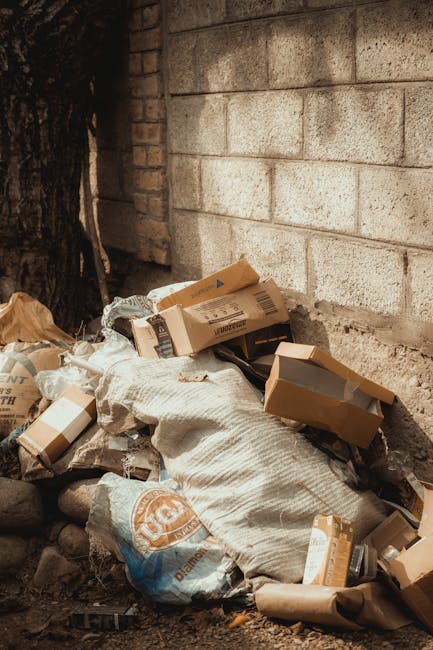
If you are trying to clear rubbish from a home in Harlesden, the last thing you want is a vague estimate that turns into a surprise bill. Transparent rubbish quotes for Harlesden households give you something better: a clear idea of what you are paying for, why the price changes, and what happens on the day. That matters whether you are clearing a single bulky item, a loft full of forgotten bits, or a full house after a long-overdue sort-out. In our experience, clarity is what takes the stress out of the whole job. And let's face it, rubbish removal is usually stressful enough already.
This guide explains how transparent quotes work, what to look for, how to compare options, and which details help you avoid awkward add-ons later. You will also find a practical checklist, a side-by-side comparison, and a simple step-by-step approach that makes the whole process easier to manage.
Why transparent rubbish quotes for Harlesden households matters
Household rubbish jobs are often more complex than they look. A pile by the front door might seem simple, but once a team has to move items from the second floor, navigate narrow hallways, or handle mixed materials, the real cost can change. That is why transparency matters. A good quote should explain the basics clearly: what is included, what affects the price, and whether labour, loading, transport, and disposal are already covered.
For Harlesden households, this is especially useful because homes vary a lot in layout and access. A flat above a shop, a Victorian terrace with a tight staircase, or a family house with a stuffed garage can all need different amounts of time and effort. A transparent quote helps you understand those differences instead of guessing. It also helps you compare like for like, which is where many people get caught out.
There is a trust side to this too. If a provider is clear before the job starts, that usually says something good about how they work on the day. You know what they are coming to remove. You know what might cost extra. You are not left wondering whether the van arrived with a mystery surcharge hidden in the passenger seat. Small thing, big difference.
Expert summary: transparent quoting is not just about lower prices. It is about knowing what the price includes, spotting avoidable extras, and choosing a service that feels fair from the first conversation.
It also protects your time. A vague quote often leads to repeated calls, photo requests, and negotiation on arrival. A clear one usually speeds things up. That is useful if you are juggling work, school runs, or a moving date that is already getting tight.
How transparent rubbish quotes for Harlesden households works
A transparent rubbish quote usually starts with a description of the items, then factors in volume, weight, access, and any special handling needs. The point is not to make pricing feel complicated. The point is to make it understandable. Most reputable providers will ask for a photo, a short list of the items, and a few practical details about your property.
Here is the typical flow:
- You explain what needs removing.
- You share photos or a rough inventory.
- The provider assesses the amount of waste, access conditions, and any extra handling.
- You receive a quote with clear inclusions and any possible extras explained.
- If you accept, the collection is arranged for an agreed time.
- The team removes the rubbish and confirms any final changes before work proceeds, if needed.
The best quotes are specific without being overcomplicated. For example, they should distinguish between a few black bags, a sofa and mattress, a shed clear-out, or a full house clearance. Those are very different jobs in the real world, even if they all get called "rubbish removal" in casual conversation.
In practice, the most common variables are:
- how much space the waste takes up
- how heavy or awkward the items are
- how easy it is to reach the items
- whether items need dismantling
- whether the waste is mixed, bulky, or specialist
- how urgently you need the collection
For a loft packed with old boxes and broken furniture, the quote may differ quite a bit from a quick pick-up of a few garden bags. That is normal. What matters is that the reason for the difference is explained plainly.
Key benefits and practical advantages
The obvious benefit is price clarity, but there is more to it than that. Transparent quotes tend to improve the whole customer experience because expectations are set early. That sounds simple, but it saves a lot of hassle.
- Fewer surprises: you know what is and is not included before anyone arrives.
- Better budgeting: you can plan the cost around a move, renovation, or spring clean.
- Easier comparison: quotes are easier to compare when each one lists the same details.
- More trust: clear pricing usually signals a more reliable operator.
- Less pressure: you are less likely to feel rushed into agreeing on the doorstep.
There is also a practical advantage for mixed jobs. Suppose you are clearing the spare room, a wardrobe, and a few old chairs. A transparent quote should show whether the job is priced by volume, item type, or time on site. That helps you decide whether to remove a few bits yourself first or book the full clearance. Sometimes a small effort at home makes the job cheaper. Sometimes it does not. The quote should make that visible.
And to be fair, a clear quote is kinder to everybody involved. The customer is not left guessing, and the team is not walking into a job with mismatched expectations. That kind of alignment matters more than people think.
Who this is for and when it makes sense
Transparent rubbish quotes are a good fit for any Harlesden household that wants certainty before booking. They are especially helpful if your clearance is not a simple single-item job. If you have a flat with limited access, a house full of assorted items, or a deadline tied to an end-of-tenancy move, clarity becomes even more important.
This approach makes sense for:
- households clearing out lofts, garages, or sheds
- families dealing with bulky furniture or a full-room sort-out
- tenants who need to leave a property tidy and on time
- homeowners preparing for decorating or renovation
- landlords or agents managing a property turnover
- residents who simply want to compare rubbish removal options properly
It is also useful if you are deciding between a general waste removal service and a more specific clearance service such as flat clearance or garage clearance. Different jobs need different levels of labour and planning. A transparent quote helps you match the service to the actual job, not just the label.
If you have ever thought, "It's only a few bits, surely it can't be that much," you are not alone. Then you look at the heap, the awkward sofa, the cracked wardrobe, the old kettle, and the two bags that somehow turned into six. Happens all the time.
Step-by-step guidance
If you want a transparent rubbish quote that feels accurate and fair, the quality of information you provide matters. The process is not complicated, but a little preparation goes a long way.
- List everything that needs removing. Be specific. "Old furniture" is less helpful than "one two-seater sofa, one mattress, one bedside table, and three black bags."
- Take clear photos. Include wide shots and, if needed, close-ups of awkward items. Good photos reduce guesswork.
- Explain access. Mention stairs, narrow hallways, basement storage, parking restrictions, or any other complications.
- Note special items. Heavy furniture, broken glass, paint tins, or mixed builders' waste may affect the quote.
- Ask what the quote includes. Check labour, loading, disposal, travel, and any minimum charges.
- Check timing. Make sure the quoted price still applies if the job takes longer than expected.
- Confirm the booking in writing. A short written summary helps avoid confusion later.
Here is a simple rule of thumb: the more honest and complete your description, the more reliable the quote tends to be. If you hide half the pile behind a cupboard, the final cost may change. Not because anyone is trying to be awkward, but because the actual job is bigger than the original description.
If your job is more about belongings than rubbish, you may also find home clearance useful. For item-specific removals, furniture clearance or furniture disposal can be a better fit than a general clear-out. Matching the service to the contents usually leads to a cleaner quote.
Expert tips for better results
There are a few habits that make quote comparison much easier, and they do not take long.
- Use the same information for every quote. If one provider gets photos and another gets a vague message, the comparison is unfair.
- Ask about access before price. A quote that ignores three flights of stairs is not very useful.
- Confirm whether VAT is included. A cheap-looking number can change once tax is added.
- Check if the team sorts and loads everything. Some quotes assume you will help; others do not.
- Look for wording about extras. Transparent businesses usually explain when disposal fees, labour time, or additional loads could apply.
One small but valuable tip: keep your photos tidy and well lit. Morning light near a window is often enough. Dark, blurry pictures make even the simplest job look uncertain. That sounds obvious, but it changes the quality of the quote more than people expect.
Another tip is to ask how the provider handles mixed waste. A pile with cardboard, broken wood, a chair, and a bit of garden debris may be quoted differently from a single-material load. If you also need garden clearance, mention it early. Mixed jobs are fine. They just need to be described properly.
Common mistakes to avoid
A lot of quote problems come from small misunderstandings rather than bad intentions. Still, those misunderstandings can cost time and money.
- Only describing the biggest item. The quote needs the full picture, not just the sofa.
- Forgetting access issues. Stairs, parking, and distance from van to door all matter.
- Assuming "all-inclusive" means everything. Ask exactly what is covered.
- Comparing only on price. The cheapest quote is not always the best value if it excludes labour or disposal.
- Waiting until the last minute. Urgency can narrow your choices and make pricing less favourable.
- Not asking about recycling or reuse. If responsible disposal matters to you, ask how the waste is handled.
Another easy mistake is mixing up a quote for a domestic clearance with one for something more specialised. For instance, if the job includes renovation debris, a builders waste clearance approach may be more appropriate than a standard rubbish pickup. The same goes for old office items, which are better handled by office clearance services rather than household waste assumptions. The label matters because the waste stream matters.
Truth be told, the biggest mistake is often silence. People worry they are being awkward by asking questions. You are not. You are protecting your budget. Sensible, really.
Tools, resources and recommendations
You do not need fancy tools to get a better quote, just a few simple habits and a bit of structure.
- Phone camera: use it to capture the items from a few angles.
- Notes app or checklist: jot down item counts and any access issues.
- Measurements: if an item is unusually large, measure height, width, and depth.
- Property details: floor level, parking constraints, and entrance layout all help.
- Booking confirmation: keep a written record of the quoted price and scope.
It also helps to browse relevant service pages so you can see how different jobs are described. For broader property clearances, house clearance and loft clearance are useful comparisons. If the job is mainly a single room or smaller property, flat clearance can be the right reference point. For projects involving only certain items, furniture clearance may be more suitable.
If you want to understand how a company presents its service standards, safety approach, and customer expectations, pages like about us, insurance and safety, and recycling and sustainability are worth a read. They can tell you a lot about how seriously a provider handles the work behind the scenes.
Law, compliance, standards and best practice
For household rubbish removal in the UK, transparency is not just a nice-to-have. It sits alongside good trading practice and proper waste handling. While householders do not need to memorise regulations, it is sensible to know what good practice looks like.
In plain English, a responsible provider should be able to explain how waste is carried, sorted, and disposed of in a lawful and environmentally sensible way. They should also be able to talk clearly about pricing, terms, and what happens if the job changes on arrival. That is especially important where items might contain hazardous components, sharp edges, or heavy materials.
If you are checking a provider, look for clarity around:
- pricing structure and inclusions
- public-facing terms and conditions
- insurance and safety arrangements
- what happens to reusable or recyclable items
- how complaints are handled if something goes wrong
You may also want to review practical policy pages such as terms and conditions, payment and security, and complaints procedure. These are not exciting reads, granted, but they are very useful when you want to know where you stand.
There is also a sustainability angle. Good practice usually means diverting reusable items away from disposal where possible and handling waste in a way that reduces unnecessary landfill. You do not need a perfect environmental lecture every time you book a removal, but it is fair to expect a provider to explain their approach plainly.
Options and comparison table
When choosing a rubbish quote, you are often comparing not just prices, but styles of service. Here is a simple way to think about the main options.
| Option | Best for | Pros | Watch out for |
|---|---|---|---|
| Phone or photo-based quote | Most household clearances | Fast, convenient, usually clear enough for standard jobs | Needs accurate photos and item descriptions |
| On-site assessment | Complex or large loads | Can be more precise where access or volume is tricky | Takes more time to arrange |
| Fixed item pricing | Single bulky items or repeat removals | Easy to understand and compare | May not suit mixed loads |
| Volume-based pricing | Mixed household waste | Good for larger clear-outs and flexible loads | Needs a shared understanding of what the volume means |
| All-inclusive quote | People who want certainty | Simple, reassuring, fewer surprises | You still need to confirm any exclusions |
For many Harlesden households, a photo-based quote is the sweet spot. It is quick, practical, and detailed enough for most standard jobs. For tricky jobs with odd access or a lot of heavy items, an on-site assessment can be worth the extra effort. You do not need to overthink it, but you do need to match the method to the job.
Case study or real-world example
Imagine a small family in Harlesden getting ready to redecorate. They want to remove an old three-seater sofa, a broken armchair, some boxy shelving, and about eight bags of mixed household clutter from a loft landing. The first instinct is to ask for a quick price based on "a bit of rubbish." Fair enough. But once photos are shared, it becomes clear that the loft stairs are narrow and the sofa has to pass a tight corner.
A transparent quote would break the job down in a way the family can understand: bulky furniture, mixed bags, awkward access, and a likely need for two people. That might sound slightly more expensive than the first guess, but it is honest. More importantly, the family can decide whether to remove the loose bags themselves and keep the team for the heavy lifting. That is the kind of choice a clear quote gives you.
In a second example, a tenant clearing a flat before move-out might only have a mattress, chair, and small pile of leftover items. The quote is likely simpler. If the provider explains the minimum charge, the inclusion of loading, and how parking affects arrival time, the tenant can book with confidence instead of crossing fingers and hoping for the best. Which, to be fair, is how a lot of people handle moving day.
The pattern is the same in both cases: clarity leads to better decisions, and better decisions usually lead to less stress. Funny how that works.
Practical checklist
Use this checklist before you request a rubbish quote for a Harlesden household clearance.
- List every item that needs removing.
- Separate furniture, bags, appliances, and loose rubbish where possible.
- Take clear photos from more than one angle.
- Note the floor level and access route.
- Check whether parking is straightforward or restricted.
- Ask if the quote includes labour, loading, and disposal.
- Confirm whether the quote is fixed or subject to reassessment.
- Ask about recycling, reuse, or responsible disposal.
- Read the terms and conditions before confirming.
- Keep a written record of the agreed price and service scope.
If you are preparing a particularly full property, it may help to review home clearance alongside the pricing information. For the pricing side specifically, pricing and quotes is a useful page to check before you commit. If the job includes a lot of old chairs, wardrobes, or tables, furniture-related options may be more appropriate than generic rubbish removal.
The best part? Once the details are gathered, the booking process gets much easier. No drama, no last-minute confusion.
Get a free quote today and see how much you can save.
Conclusion
Transparent rubbish quotes for Harlesden households are really about confidence. They help you understand the cost, compare services properly, and choose a provider that feels straightforward from the start. That matters whether you are clearing one bulky item or sorting through a whole house full of things you meant to deal with months ago. We all have that cupboard, that loft, that one corner. No judgement.
The main thing is to give accurate information, ask clear questions, and compare quotes on the same basis. When you do that, the process becomes simpler and far less frustrating. You get a fairer price, a better idea of what will happen on the day, and a cleaner outcome overall. A small amount of planning can make a very noticeable difference.
If you are ready to take the next step, a clear, well-structured quote is usually the best place to begin. It is practical, honest, and a lot more reassuring than guesswork. And honestly, that reassurance is worth quite a bit.
Frequently Asked Questions
What does a transparent rubbish quote actually include?
A transparent rubbish quote should explain the removal cost, labour, loading, transport, disposal, and any likely extras. If something could change the final price, that should be stated plainly before booking.
Why do rubbish quotes vary between Harlesden households?
They vary because every home is different. Access, item volume, weight, stairs, parking, and whether the waste is mixed all affect the time and effort needed. A flat above a shop is not the same as a ground-floor clear-out.
How can I tell if a rubbish quote is really transparent?
Look for itemised or clearly explained pricing, a list of inclusions, and written mention of possible extras. If the provider only gives a single vague number with no context, that is not ideal.
Should I send photos before asking for a quote?
Yes, if possible. Clear photos help the provider understand volume, access, and item type. They usually make the quote more accurate and reduce the chance of changes later.
Is the cheapest quote always the best option?
Not necessarily. A low quote may exclude labour, disposal, or access-related costs. The best value is often the quote that is clear, realistic, and complete rather than the lowest headline number.
What if I only have a few items to remove?
Even small jobs can benefit from a transparent quote. A few bulky pieces may still need more handling than expected, especially if stairs or parking make the job slower.
Can a quote change on the day?
It can, but only if the actual job is different from the description you gave. For example, if extra items are added or access is more difficult than expected, the price may need to be revised.
How do transparent quotes help with budgeting?
They make the total cost easier to predict. That helps if you are moving home, refurbishing a room, or planning a full-house clear-out and need to keep spending under control.
Do transparent quotes matter for furniture and bulky items?
Very much so. Large items like sofas, wardrobes, beds, and white goods can change the price more than loose bags of rubbish. A good quote should explain how those items are priced.
What should I ask before I accept a rubbish quote?
Ask what is included, whether the quote is fixed, whether VAT is included, how access affects pricing, and what happens if the load turns out bigger than described. Simple questions, but they save a lot of hassle.
Is it better to get a house clearance or a waste removal quote?
It depends on the job. If you are removing a wide mix of belongings from several rooms, a house clearance or home clearance may fit better. If it is mainly loose rubbish or mixed waste, a general waste removal quote may be the better match.
How can I compare two quotes fairly?
Use the same photos, item list, and access details for each one. Then compare the inclusions line by line, not just the headline price. That is the fairest way to see which offer is actually better.
Where can I learn more about pricing and service standards?
It helps to review pages such as pricing and quotes, about us, and recycling and sustainability. They can give you a better sense of how the service is structured and how waste is handled.